
“Sales funnel” two words that have somehow convinced thousands of beginners that they need a $997 course, a personal consultant, and three software subscriptions before they can sell anything online.
They don’t, and you don’t.
Here’s the thing about the way “sales funnels” get talked about online… the people selling the most education about them have a very clear financial interest in making them sound complicated, because if it’s complicated, you need their stuff. If it’s simple, maybe you just go build it.
So let’s skip all that.
This post kicks off my “Start & Grow” beginner series, where I break down everything you need to know about starting and growing your online business, step by step.
We’re starting right here, with the foundation of it all – sales funnels.
In this post, we’re going to break down what a sales funnel actually is, why it’s such a big deal for beginners, and how you can start using one today, even if you’ve never built a website before.
A lot of people try to sell online using just social media or a random website, but they struggle to make consistent sales.
That’s because there’s no clear path guiding visitors from “just browsing” to “I’m ready to buy.”
And that’s exactly where a sales funnel changes everything.
Think of it like an automated system that quietly works behind the scene, turning curious visitors into subscribers, then into buyers, and even repeat customers (without you chasing anyone).
By the end of this post, you’ll know…
- What a sales funnel really means
- How it works behind the scenes
- Why it matters so much for beginners trying to sell digital products or services
- And why it’s the single most important thing to understand before you start building your online business
Let’s start with the basics, what actually happens inside a funnel.
The Simple Way to Understand a Sales Funnel
Alright, imagine you’re scrolling through Instagram and see a post about “how to make money online.” You click the link in their bio…
It takes you to a page offering a free ebook, a checklist or some kind of webinar. You drop your email in, get the freebie, and later receive a few emails, and one of them invites you to buy a $29 mini-course.
Here you go… you just went through a sales funnel.
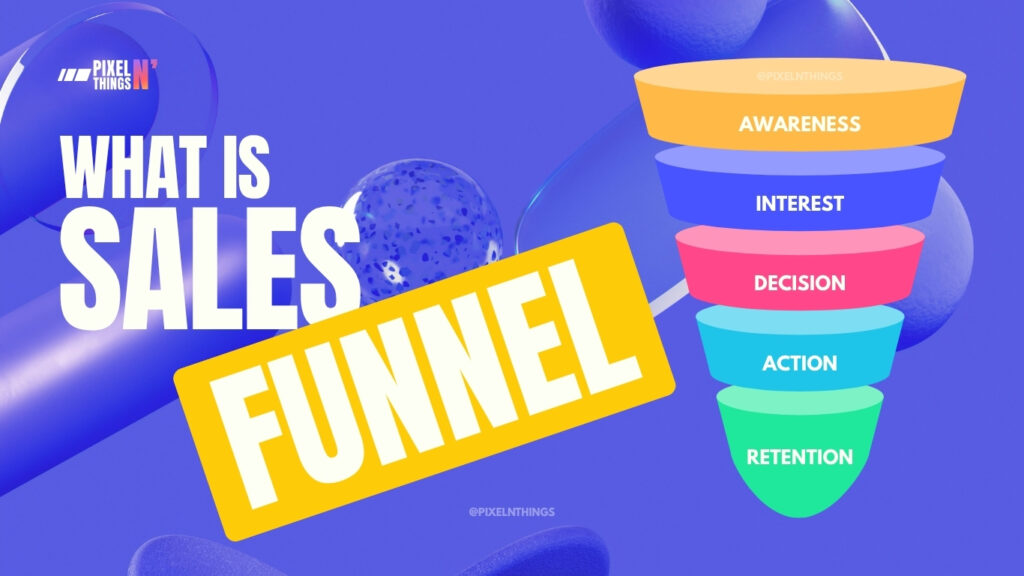
A sales funnel is basically a journey that helps a visitor go from “I just found you” to “Take my money”, step by step.
Think of it like a digital salesperson that works 24/7. It knows what to say, when to say it, and how to guide your visitors toward taking action… even while you sleep.
Here’s how it usually flows:
- Awareness: People first discover you, maybe through social media, a Google search, or an Ad
- Interest: They visit your landing page and get curious about your offer
- Decision: They receive a few emails, learn more, and start trusting you
- Action: They finally click that “Buy Now” button
That’s it. That’s the funnel.
You’re not begging anyone to buy. You’re simply guiding them through a journey, from learning about your offer to actually wanting it.
And the best part… once it’s set up, it runs automatically. Whether you’re sleeping, working out, or watching Netflix… your funnel is quietly doing the job for you.
If you’re a beginner, this is your secret weapon, because instead of trying to “sell” every single day, your funnel does the heavy lifting.
Why Every Beginner Needs a Funnel
Now let’s talk about why you actually need one, even if you don’t have a product or audience yet.
Most people who start online think they need a website, followers, or a fancy product before they can make money.
But what you really need first is a sales system that turns attention into action. That system is your sales funnel.
Now, this isn’t just about making quick sales, it’s about creating a predictable path that teaches you what works and what doesn’t.
Even if you don’t have a product yet, a funnel helps you:
Validate your idea fast
Build a simple opt-in page, give away a free guide, checklist, eBook or templates and see if people actually care. If they sign up, boom, you’ve got proof your idea’s worth building.
Build an email list from day one
Your funnel collects leads on autopilot. That’s your future audience, waiting for your next offer.
Learn marketing without stress
Funnels teach you how people move online, what they click, what they skip, and what makes them buy.
Automate early
Instead of manually DM-ing or posting every day, your funnel runs while you sleep.
That’s why all the top marketers say, “Don’t build a website first, build a funnel”, because while a website tells people who you are, a funnel shows them what to do next.
How a Sales Funnel Actually Works (Step by Step)
Alright, now that you get what a sales funnel is, let’s look at how it actually works behind the scenes.
Every person who discovers you online starts at the top, they know nothing about you yet. As they move through each stage, your job is simply to guide them closer to becoming a customer.
Here’s the step-by-step breakdown 👇
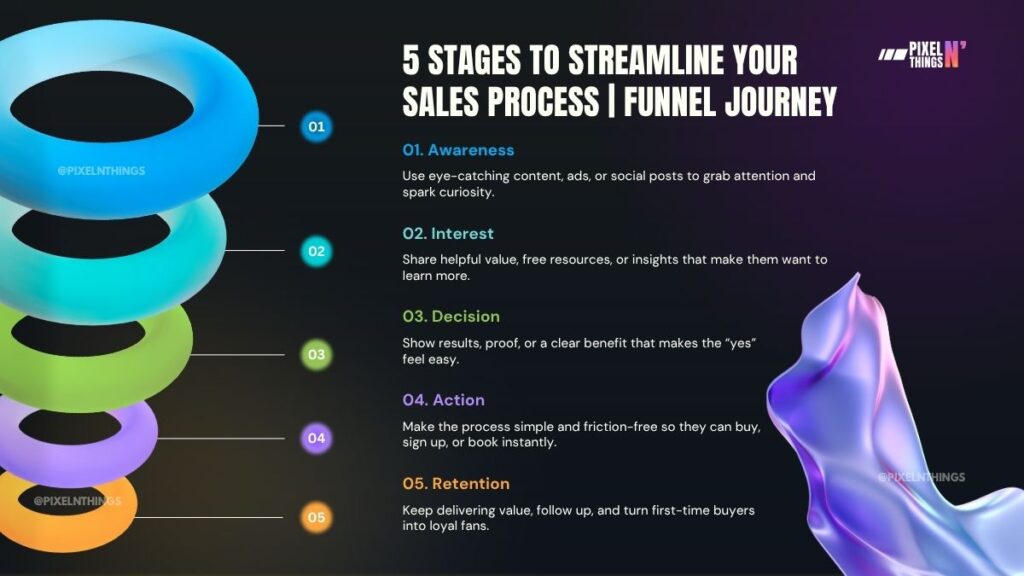
Awareness (“Hey, I just found you…”)
This is where people first notice you. Maybe they saw your Instagram post, YouTube video, FB ads or found you through Google. At this point, they’re not ready to buy anything yet. Your goal is just to grab their attention and make them curious.
Example: a post that says “Free guide: 5 ways to make your first digital sale.”
Interest (“Hmm, tell me more…”)
Now they’ve clicked your link or landed on your page. This stage is all about giving them value, something free or helpful that solves a small problem for them.
Most creators use a lead magnet here (like a free checklist, mini-course, free webinar or mini-eBook).
The goal is simple: get their email so you can keep the conversation going.
Decision (“Should I buy this?”)
Once someone joins your list, you don’t want to ghost them. This is where email automation (or even a few manual follow-ups) helps you build trust.
You share tips, show proof, and explain why your offer helps them faster or easier than doing it alone.
Action (“Let’s do it…”)
Here’s where the sale finally happens. Your emails or page lead them to your checkout page, where they can buy your product, book a call, or sign up for your service.
A good funnel doesn’t end here though… it continues nurturing people even after they purchase.
Retention (“That was great, what’s next?”)
Smart marketers know that the easiest sale is the next one. Once someone buys, your funnel can automatically deliver follow-ups, upsells, or invite them into a higher-value offer.
This is how you turn one-time buyers into repeat customers, all on autopilot.
In Short
A sales funnel works like a 24/7 guide, attracting, nurturing, and converting visitors into loyal customers.
You’re not chasing people… you’re leading them through a clear, intentional path.
Don’t try to build all five stages at once. Start simple, a lead page, a thank-you page, and one offer. Once that’s working, you can add follow-ups and upsells later.
Sales Funnel vs Website: What’s the Difference?
I see a lot of beginners get confused between a website and a sales funnel… and honestly, I get it.
At first glance, they kind of look the same, both have pages, buttons, and links.
But they’re built for completely different goals.
Let me explain it in the simplest way possible, so you’ll never mix them up again.
A Website Is Like a Brochure
A website’s main goal is to inform.
It tells people who you are, what you do, and how to contact you.
When someone lands on a website, they can click around freely, home, about, blog, services, contact… basically, they decide where to go.
That freedom sounds great, but it also means one big thing…
👉 There’s no clear direction.
People might browse for a few seconds and leave without taking any action.
A Sales Funnel Is Like a Guided Path
A sales funnel, on the other hand, is built to convert.
It guides visitors step-by-step toward one specific goal, like downloading a freebie, booking a call, or buying a product.
👉 There are no distractions.
Each page in the funnel has one job… move the visitor to the next step.
Example:
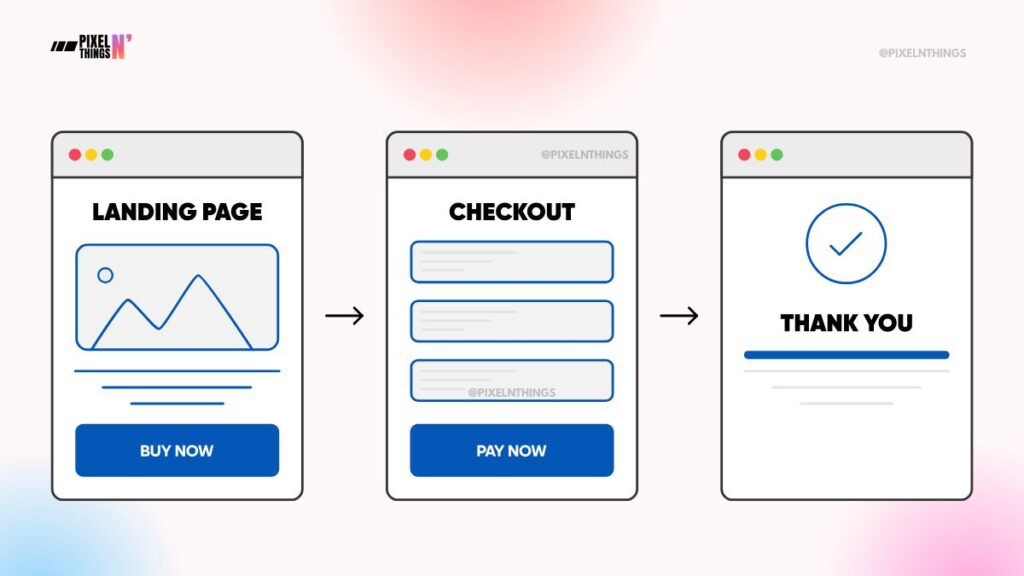
- Step 1 Landing Page (collect their email)
- Step 2 Offer Page (show your product/service)
- Step 3 Checkout Page (make the sale)
- Step 4 Thank You Page (confirm and upsell)
It’s simple, focused, and insanely effective.
Which One Should You Start With?
If you’re just starting your online journey, go with a funnel first.
Why? because it’s faster to launch, easier to test, and helps you understand what people actually want before you spend time building a full website.
Once your funnel is bringing in leads and sales, you can always expand into a full website later.
Remember: A website builds awareness. A funnel builds income.
Do Funnels Really Work for Beginners?
Yes, 100%.
Funnels aren’t just for big marketers or tech geniuses, they work for anyone who knows what they’re offering (or even just has an idea).
Over 90% of digital product sellers today use some form of a sales funnel in their business, from a simple lead magnet setup to multi-step automated systems.
Why? because funnels bring three things beginners usually struggle with…
- automation
- consistency
- and tracking
Automation
Once your funnel is live, it doesn’t sleep. It welcomes visitors, sends follow-up emails, answers questions, and even closes sales while you’re doing other things.
Whether you’re working your 9–5 job or watching Netflix, your funnel keeps moving people closer to buying.
Consistency
Social media is unpredictable. One week you go viral, next week you’re invisible. A funnel gives you consistency, a stable way to collect leads and make sales every single day without depending on algorithms.
Tracking
Unlike random posts or ads, a funnel shows you exactly what’s working. You can see where people click, where they drop off, and what page brings in the most conversions. That means no more guessing…
When I first started selling my digital products, I had zero idea how to “do marketing.” But once I set up my first simple funnel, things changed.
People started joining my list, checking out my offers, and buying… without me even talking to them directly.
That same setup has now helped me cross 400+ sales on Etsy, and another 230+ on my website, all from done-for-you funnels and templates that run quietly on autopilot.
If it works for me, it can 100% work for you too.
So, do funnels really work for beginners?
Absolutely. They work because they simplify the entire process, attract → nurture → convert.
All you need is one simple funnel, and the system takes care of the rest.
How to Build Your First Funnel
Now that you know what a funnel is and why it works so well… let’s talk about building your very first one.
And before you panic, no, you don’t need to be “tech person” or spend weeks learning complicated tools.
A simple funnel setup can be done in just a few steps.
Let’s break it down 👇
Step 1: Start With One Clear Goal
Ask yourself: “What do I want people to do?”
- do you want them to download your free guide?
- join your email list?
- buy your digital product?
Pick one. Your entire funnel revolves around that single action. Everything else, extra pages, additional offers, fancy upsells, comes after you have the first thing working.
Step 2: Know Exactly Who This Is For
Not “anyone interested in marketing.” The specific person with the specific problem who would benefit most from your offer.
- what frustrates them?
- what have they tried before?
- what does winning look like for them in 90 days?
The more specific your answer, the better your landing page, your emails, and your offer will perform.
Because you stop writing for a vague crowd and start writing for one person who reads it and thinks “how does this person know exactly what I’m dealing with?”
Step 3: Create a Lead Magnet Worth Having
A lead magnet is a free resource you exchange for someone’s email address. The key word in that sentence is worth having. Not a 50-page PDF nobody asked for. Not a “free strategy call” that’s really a sales pitch.
A good lead magnet…
- solves one specific, real problem
- delivers value immediately (people can use it today)
- attracts the same person who would buy your paid offer
For a funnel template business, this might be “3 Free GoHighLevel Templates, Ready to Import” or “The 7-Step Funnel Launch Checklist.” Focused, specific, immediately useful.
Step 4: Create a Landing Page
One page. One goal. Collect the email.
This is the first page people see. A clean landing page needs… a headline that says what they get, a short description of the benefit, an email form, and a button. No navigation bar, no links pulling people away, no paragraph explaining your entire backstory.
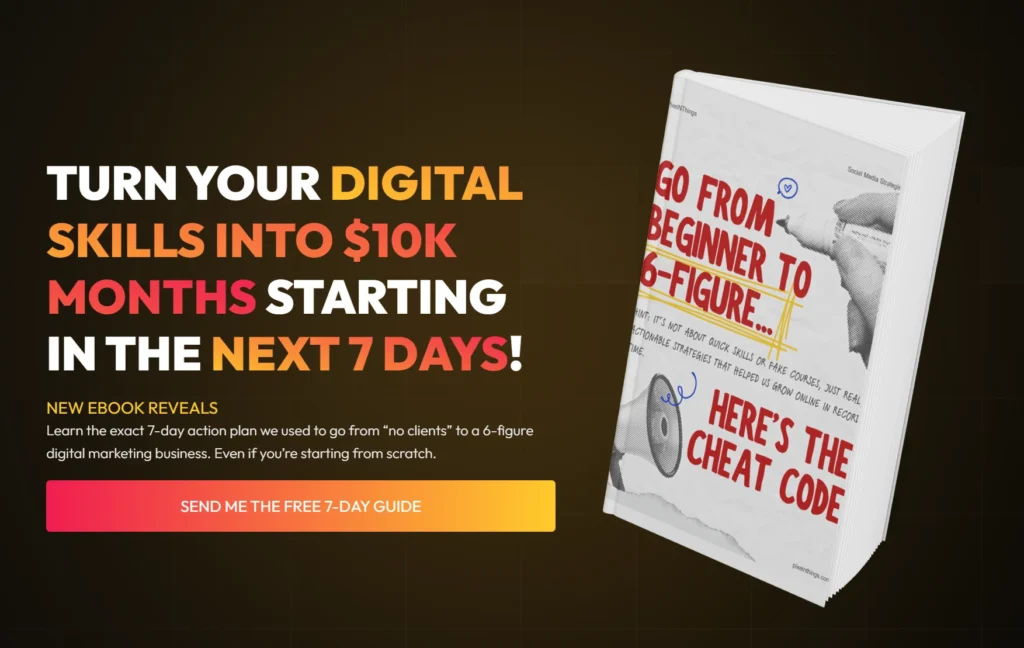
Example: “Get your free digital product checklist” or “Start your 7-day funnel plan.”
If you’ve never built one before, Systeme.io has a free plan that lets you build complete funnel pages without writing a single line of code.
GoHighLevel is another solid option, especially if you’re running a service business or an agency. Both have templates you can customize and have live within a few hours.
If you’d rather skip the design work entirely and start with something already built to convert, the GoHighLevel funnel templates and Systeme.io templates at PixelNThings are worth checking out.
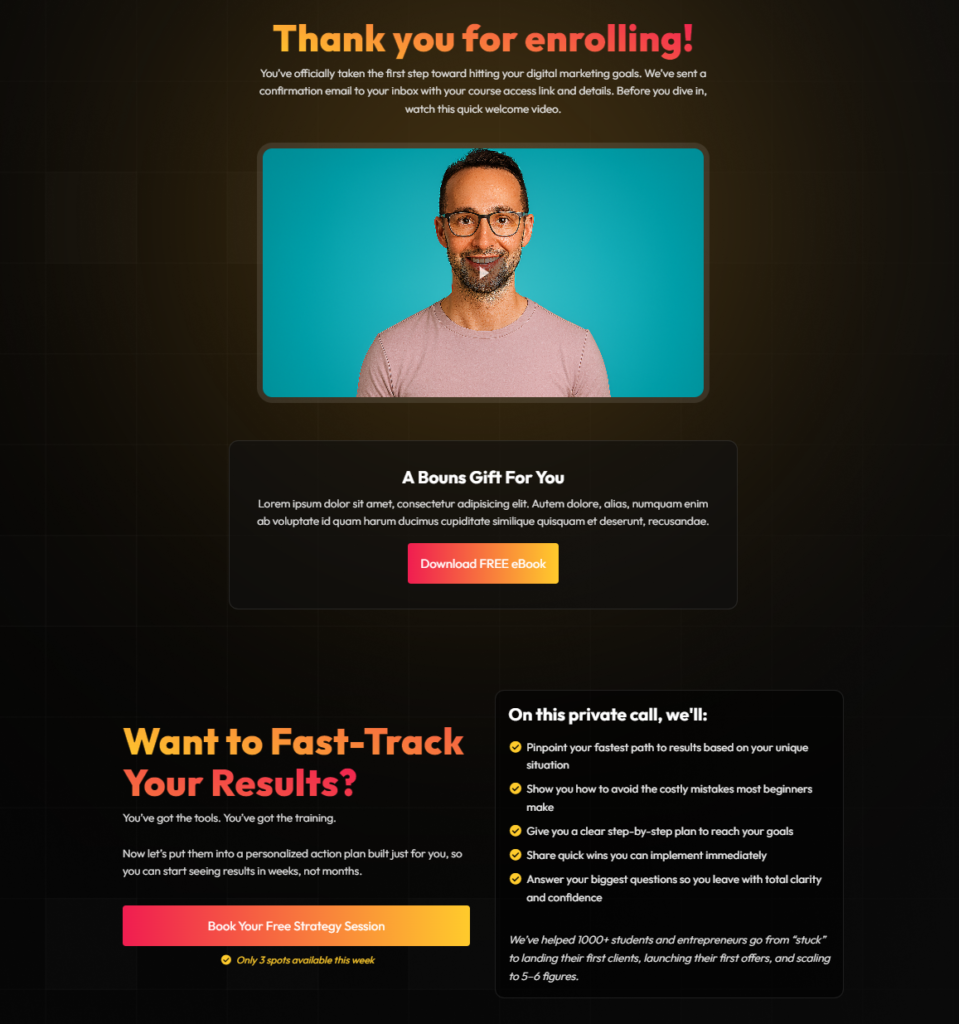
Step 5: Build a Simple Thank You Page
Most people set up a landing page, forget about the thank you page, and call it a day. Don’t leave this on the table.
The thank you page is where you confirm the signup, deliver the lead magnet, and optionally make a soft offer while their attention is still fully on you.
Someone who just gave you their email is as warm as they’re going to get. A well-placed, relevant offer here can generate immediate revenue from people who literally just decided to trust you.
Example:
“Thanks for joining! Check your inbox for your free guide, and while you’re here, here’s a quick offer you might love.”
Step 6: Automate Your Follow-Up
This is the step most beginners skip… and it’s where most of the money actually is.
Most people don’t buy the first time they see an offer. They buy after a few touchpoints, after they’ve had time to trust you, after you’ve quietly answered the question sitting in the back of their mind. Your email sequence does all of that automatically.
A sequence that works…
- Email 1: Deliver the lead magnet. Quick intro, no pitch at all
- Email 2: One genuinely useful tip. Still no pitch, just provide value
- Email 3: A story or mini case study that shows the problem your offer solves
- Email 4: Introduce your offer clearly. What it is, who it’s for, what it does
- Email 5: Handle the main objection. Price, time, skepticism, whatever comes up most
- Email 6: Strong offer with a clear reason to act now
- Email 7: Soft follow-up. “Still thinking about it?” then actually help them decide
Seven emails, 10 days. Done. Adjust based on the data you see. That’s the whole process.
Step 7: Build Your Sales Page
Your sales page isn’t there to look pretty. It’s there to remove doubt.
The person reading it is already interested… just not convinced yet. They’re thinking… “Will this actually work for me?”
Your job is to answer that without making them work for it.
Start with the problem. Not a boring version… the one they’re actually dealing with. If they don’t feel understood in the first few seconds, they’re GONE.
Then address why the usual solutions haven’t worked. Most people have already tried something before landing on your page. If you ignore that, you lose credibility.
Now position your offer. Not as “better”… but as different. Clear, simple, and easy to understand.
Walk them through what’s included. Don’t give them vague promises. Just show them exactly what they’re getting.
Then show the outcome. What changes after they buy? Faster launches, better results, less time wasted…
Add proof, testimonials, results, real use cases. Finish with the basics… pricing, what happens after purchase, a guarantee if you have one, and one clear call to action.
It doesn’t need to be long. It just needs to answer everything before they even ask.
Step 8: Drive Traffic to the Top
A funnel without traffic is a system with no inputs. You need people coming in at the top.
The three most practical options…
SEO content (like this article)
Takes time to build, but once it’s working it drives consistent traffic without ongoing ad spend. Every post you publish compounds over time.
Social media
Free to start, and consistency compounds the same way SEO does. Pick the platform where your audience already spends time and actually show up there regularly.
Paid ads
Meta Ads and Google Ads can bring targeted traffic almost immediately. The important thing… test with a small budget first and make sure your funnel converts before you scale spend.
Start with one channel. Get it working before you add more.
Step 9: Test, Tweak, Repeat
Don’t expect perfection on day one. Check how many people sign up, which email gets the most clicks, and what offers convert best. Small tweaks over time make a huge difference.
You don’t need ten pages, fancy designs, or a huge budget to make your first funnel work. You just need a clear goal, a simple setup, and a bit of patience.
Once you see those first few sign-ups or sales roll in… trust me, you’ll never look at marketing the same way again.
The Tools That Are Actually Worth Your Time
You don’t need a lot of software to build a working funnel. Here’s what’s actually worth considering in 2026…
Systeme.io: Best Free Starting Point
Systeme.io has a genuinely free plan that covers landing pages, email marketing, basic automation, and digital product delivery. It’s one of the most accessible platforms for someone building their first funnel without wanting to spend anything upfront.
Free plan includes: 2,000 contacts, unlimited emails, 3 sales funnels, 1 automation rule. Paid plans are reasonably priced as you grow.
GoHighLevel: Best for Agencies and Coaches
GoHighLevel is a full platform… CRM, funnel builder, email and SMS marketing, automation workflows, appointment booking, reputation management, and more.
If you’re running a service business or an agency, the case for paying for multiple separate tools gets pretty weak once you see what GHL covers in one place.
The learning curve is steeper than Systeme.io. The ceiling is also dramatically higher.
Common Beginner Mistakes
Everyone messes up their first funnel.
You get excited, binge a few YouTube videos, build five pages, connect 20 things, and then wonder… “Why isn’t this thing working?”
The truth is it’s not because funnels are hard. It’s because most beginners do the wrong things in the right order.
So before you fall into the same trap, here are the mistakes that quietly kill your funnel, and exactly how to avoid them.
Building Too Much, Too Soon
Beginners try to build everything at once, lead funnel, tripwire funnel, webinar funnel, all before they’ve made their first sale. They burn out, get overwhelmed, and quit before the funnel even launches.
How to fix it:
- Start with one simple funnel that collects leads and makes one offer
- You don’t need 10 steps. You need one clear path that works
- Once it converts, then duplicate it or stack new funnels
Remember: Simple scales. Complicated fails
Focusing on Tools Instead of Strategy
This is where most beginners get stuck, choosing between platforms, comparing integrations, obsessing over design…
But none of that matters if you don’t understand why people buy.
How to fix it:
Before touching any software, answer this:
- Who is your funnel for?
- What problem are you solving?
- What small promise can you deliver first to earn trust?
Tools help you build faster, but strategy helps you sell smarter.
Weak or Confusing Offers
You can have the prettiest funnel in the world, but if the offer is weak, it won’t convert. Beginners often create freebies that sound nice but don’t solve an actual problem.
How to fix it:
Your lead magnet or product should give a quick win. Something that helps people say, “Wow, this works.” When your free stuff gets results, people naturally trust your paid stuff.
Zero Follow-Up System
90% of visitors won’t buy the first time. If you don’t follow up, you’re literally throwing money away.
How to fix it:
Build a simple email flow:
- Welcome + deliver freebie
- Share a small tip or story
- Talk about your offer (soft sell)
- Remind and add proof
Automation isn’t optional anymore, it’s your second brain.
Ignoring Data (a.k.a. Flying Blind)
Most people build a funnel, launch it, and never check the numbers. Then they assume “funnels don’t work.”
How to fix it:
- Track the basics: opt-ins, clicks, conversions
- Look at where people drop off
- If 100 people land on your page and only 5 sign up, fix your headline, your offer or your copy
- If they sign up but don’t buy, fix your email sequence
Numbers tell you what emotions can’t.
Overcomplicating the Design
You’ve seen it, neon buttons, ten fonts, a hero section that scrolls like a roller coaster. It looks “cool” but confuses visitors.
How to fix it: Keep it clean. One headline, one call-to-action, one message.
Expecting Instant Results
Funnels work, but not overnight. You’ll tweak headlines, rewrite emails, and adjust your offer before it clicks. That’s normal. That’s how every successful funnel gets built.
How to fix it: Think long-term. Treat your funnel like a system that improves with data. Every small win compounds. Every tweak gets you closer to consistent sales.
So in short… your first funnel won’t be perfect, and that’s okay. It’s not supposed to be. The goal isn’t to launch flawlessly; it’s to launch fast, learn smart, and improve consistently. That’s how beginners become pros.
Quick Recap of Everything We Covered
Alright, let’s quickly recap everything before you move to the next part of the series.
A sales funnel is a simple, step-by-step system that turns strangers into paying customers, automatically.
Instead of relying on random social posts or luck, it gives you a clear path that leads people from awareness → interest → decision → action.
Here’s what we learned:
What a Sales Funnel Is
It’s your 24/7 sales system that attracts visitors, collects leads, and converts them into buyers, all on autopilot.
Why Beginners Need One
Because it brings structure, automation, and results, even if you’re just starting and don’t have a product yet. Funnels help you build an audience and test ideas before going all in.
How It Works (Step by Step)
Every funnel moves through: Awareness (they find you) → Interest (they engage) → Decision (they consider buying) → Action (they convert) → Retention (they come back).
Funnel vs Website
A funnel is not a website. A website tells people who you are. A funnel shows them what to do next. Build the funnel first, especially when you’re starting out.
Do Funnels Really Work?
Absolutely. They’re used by 90%+ of online sellers because they automate sales, create consistency, and give you real data to improve fast. I’ve personally made 600+ sales using simple done-for-you funnels that run quietly in the background.
How to Build Your First Funnel
To build your first funnel: one clear goal, a lead magnet worth having, a clean landing page, a thank you page, a short email sequence, and a sales page. That’s the whole list. Don’t add complexity until the basics are working.
Common Mistakes to Avoid
Building too much too fast, skipping the email sequence, ignoring your numbers, and expecting it all to click on day one.
What’s Next? Pick the Right Funnel Platform for You
Alright, so now you understand what a sales funnel is, how it works, and how to build one…
but here’s the next big question every beginner asks:
“Which platform should I actually use to build my funnel?”
Because to be honest, there are dozens of options out there, and it’s easy to get lost comparing features, prices, and fancy dashboards.
But you need to know…
You don’t need the best tool in the world… you just need the one that fits where you are right now.
If you’re a beginner who wants something simple, fast, and beginner-friendly, one platform might be perfect. If you’re planning to scale, automate, and run a full agency or business later, another platform might suit you better.
And that’s exactly what we’re covering next.
In the next post of the “Start & Grow” beginner series, we’ll dive into the two most popular funnel builders right now, Systeme.io vs GoHighLevel, and break down…
- Which one’s easier for beginners
- Which one gives you more control and automation
- Which one grows better with your business
- And which one helps you launch faster
So if you’re ready to start building your first real funnel…
Read next: Systeme.io vs GoHighLevel | Which Is Better for Beginners?
Trust me, by the end of that post, you’ll know exactly where to start, and why picking the right platform early will save you months of confusion later.
Final Thoughts
You don’t need a degree, a team, or a big budget to start building your first funnel. You just need a plan, a clear message, and the willingness to start.
Because once your funnel starts working… it feels like magic. Leads coming in, sales happening quietly. And you realizing, “Okay, this is how real online business works.”
If you made it this far, big respect 🙌
You now know what a sales funnel actually is, why it matters, and how to build one the right way (without drowning in tech or confusion).
Funnels changed everything for me, and once you see your first lead or sale come through automatically, you’ll know why I swear by them.
So, take what you learned today, start small, and keep improving. And when you’re ready to pick the right platform for your first funnel…
👉 Go read next: Systeme.io vs GoHighLevel | Which Is Better for Beginners?
See you in the next one 😉
About

Nick Chauhan
Web Developer & Founder Of PixelNThings
I build AI-powered systems that actually ship. Agents, automations, full-stack apps. Claude, Cursor, Gemini, MCP, n8n, Stitch etc.. Also design high-converting funnels and website on Systeme.io, WordPress & GoHighLevel. I post what I build.

